

Diversifying Your Tourism Business Through Smarter Marketing

If you’re in tourism right now, you’ve probably noticed things feel different.

People are taking longer to book. Enquiries might be slower. Customers are more cautious with money and more selective about where they spend it. Across the industry, there’s a lot of conversation around rising costs, uncertainty and changing travel behaviour — but not as much discussion around how tourism businesses can actually adapt their marketing in response.
I recently saw reports on the news that some parts of Central Australia have experienced tourism downturns of more than 70%, which really highlights how quickly conditions can change across the industry. It’s another reminder that relying on the same marketing strategies and customer behaviour patterns from a few years ago may not be enough moving forward.
Over the past few weeks, I’ve also been following a lot of conversations across the tourism industry online and the sentiment is mixed. Some operators are nervous, others are staying optimistic, and many are saying “there’s nothing we can really do except wait it out.”
While that response is understandable, tourism has always been an industry influenced by external factors, changing trends and uncertainty. Adaptability has always been part of surviving and growing in this space.
One thing I’m not hearing enough discussion around is marketing strategy.
If customer behaviour is changing, then marketing behaviour needs to change too.

The reality is, buyer behaviour has changed.
People are researching differently, booking differently, and increasingly making decisions based on what they see online. In fact, 52% of individuals now choose destinations based on peer content shared on social media. That means your online presence, customer experience and digital visibility are becoming just as important as the actual product or service you offer.
At the same time, technology is changing rapidly too. AI adoption and investment in the hospitality industry is expected to increase by 60% per year between 2023–2033, with AI already becoming embedded across the guest journey, from customer service and bookings through to marketing and personalised experiences (Oracle NetSuite). Whether we like it or not, the industry is evolving.
But despite all of this, many tourism businesses are still marketing the same way they always have. Same messaging, same offers, same audience and same expectations.
That’s where the disconnect is happening.
This doesn’t mean businesses need to panic or completely reinvent themselves overnight. But it does mean it’s time to start thinking more strategically about diversification — not necessarily by starting a whole new business, but by diversifying how you market, who you target and how you generate revenue.
For some businesses, that might mean adjusting their audience slightly and creating offers that appeal more to local or domestic travellers, especially as people look for shorter, more affordable and flexible experiences closer to home. For others, it could mean repackaging existing experiences into shorter tours, weekend experiences or lower commitment entry points that make it easier for people to say yes.
There’s also an opportunity to add more value without dramatically increasing costs. Tourism businesses are in a unique position to become part of a broader local experience rather than just a single booking.
Recommending local cafes, family-friendly parks, walking trails or nearby activities can enhance the overall experience while strengthening partnerships and encouraging visitors to spend more time in the area.
Marketing also needs to work harder than simply posting on social media and hoping people book. Most tourism businesses already have websites, booking systems and online platforms in place, but many are missing opportunities in the middle of the customer journey — the stage where people are researching, comparing, hesitating and needing reassurance before committing.
This is where stronger marketing strategy becomes important. Clearer messaging, better storytelling, targeted landing pages, email follow-up, customer reviews and useful content all play a role in building trust and helping people move from interest to booking.
Social media itself isn’t broken, but the way people interact with it has changed. Audiences are looking for authenticity, value and real experiences. Businesses that continue treating social media as simply a place to advertise are likely to struggle more than those using it to build connection, trust and visibility over time.
Diversification can also mean creating multiple pathways for revenue and engagement.
That could include:
targeting more than one customer group
creating experiences at different price points
building an email database rather than relying only on social media
developing partnerships with local businesses
creating digital guides or downloadable itineraries
improving repeat visitation and referral strategies
None of this is about fear or panic. Tourism has always been influenced by external factors and changing markets. But right now, businesses that are willing to adapt their marketing and think more strategically about diversification are likely to place themselves in a much stronger position moving forward.
You don’t need to overhaul everything overnight. Often, small changes in messaging, audience targeting and customer experience can make a significant difference.
If you’re not sure where to start, begin by reviewing your customer journey from the outside in.
Ask yourself:
Is my messaging still speaking to today’s traveller?
Am I relying too heavily on one audience or one platform?
What happens after someone visits my website or social media?
Am I building trust before asking people to book?
Sometimes small shifts in marketing strategy can make a significant difference to enquiries, conversions and long-term resilience.
If you’d like support reviewing your current marketing strategy, audience or digital presence, feel free to reach out. Sometimes an outside perspective is the best place to start.
The businesses that will navigate uncertainty best won’t necessarily be the biggest — they’ll be the ones willing to adapt.
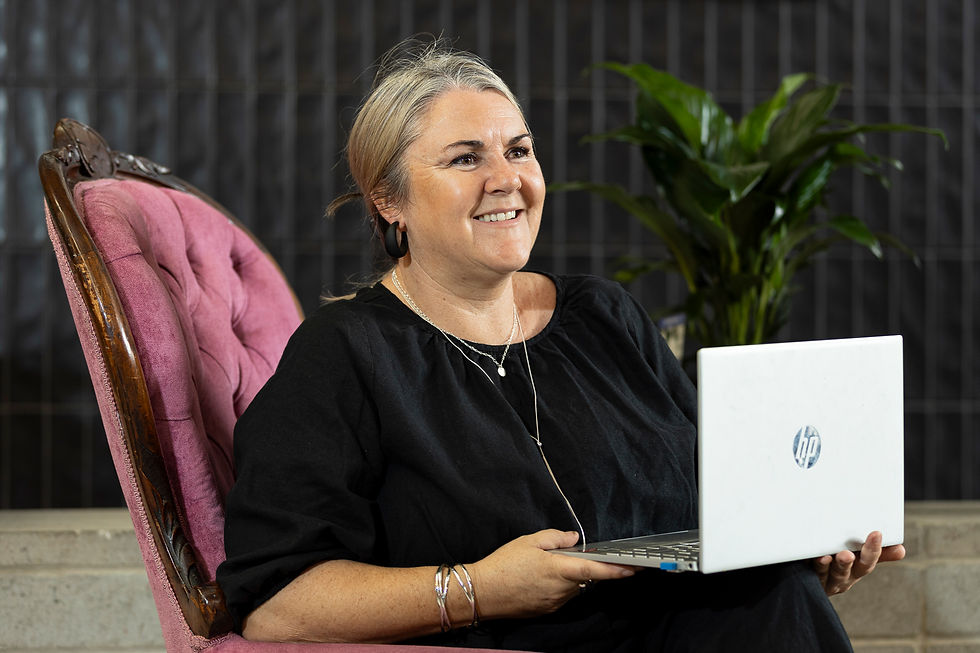
Daina Walker - Diversified Business Skills.


Comments